If you run a creator agency or manage its books, some money you already counted will come back. A fan charges back a purchase after the creator cashed out. A creator asks their bank to undo the charge that paid your share. An ACH debit returns weeks after it looked settled. This guide covers how creator agencies handle refunds and chargebacks after a payout: how to record each reversal, recover what is owed and stop the next one.
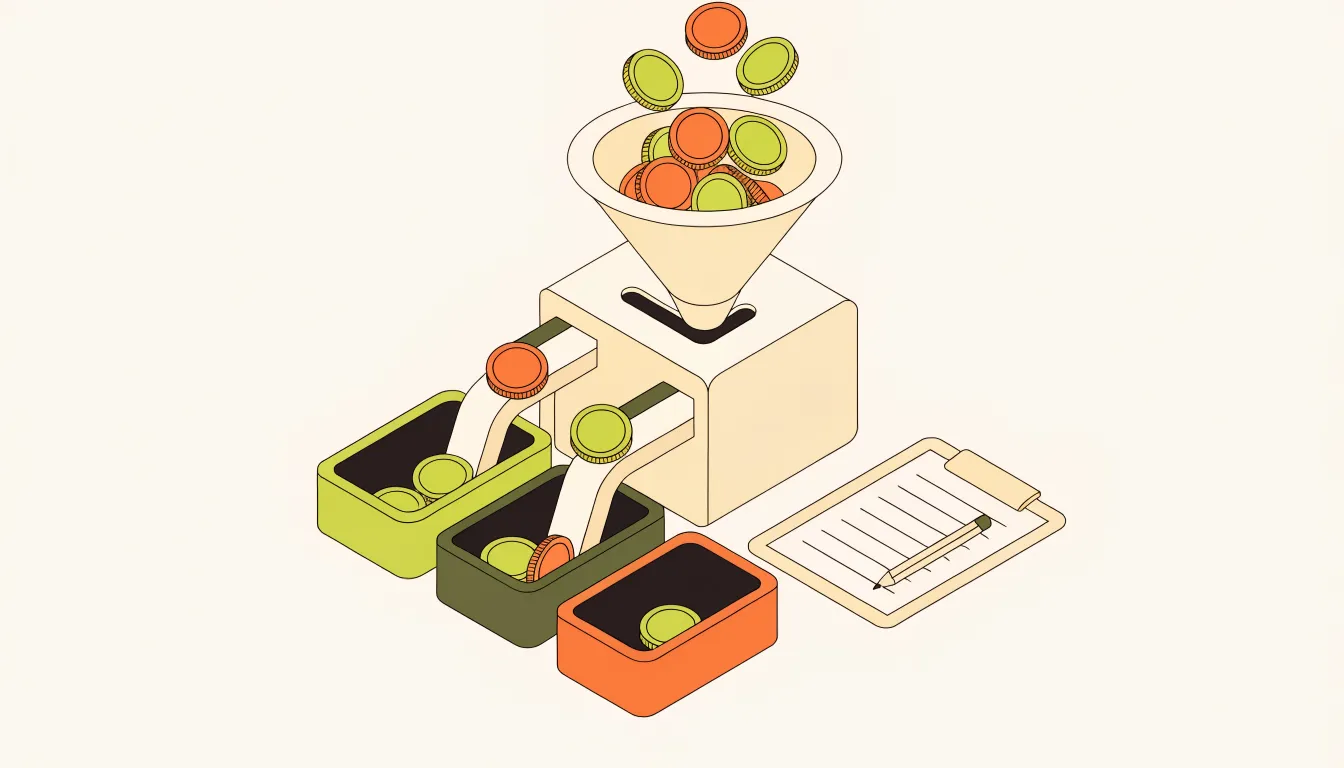
Sort each reversal before you act. The three kinds reach your books by different routes and need different fixes.
Three kinds of reversal, two different problems
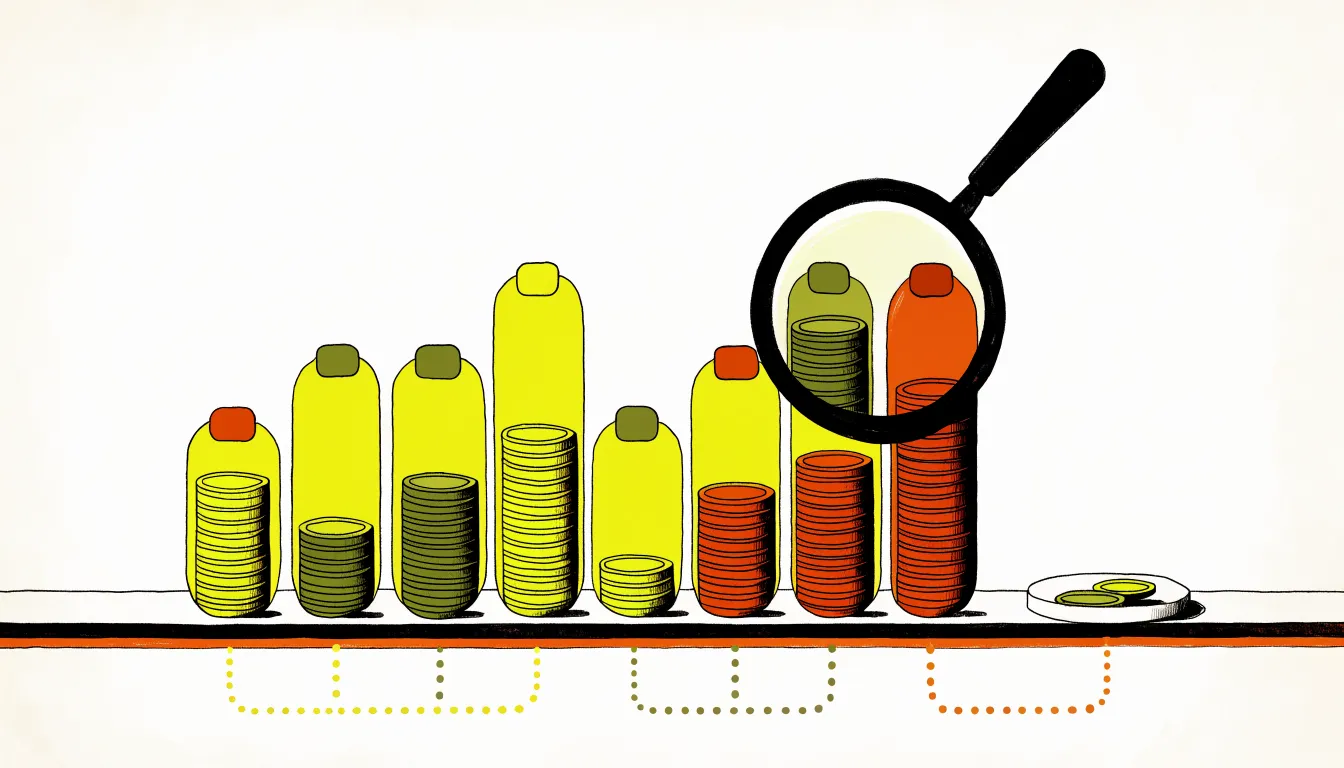
Every reversal does one of two things. It shrinks the earnings your percentage applied to, or it undoes the payment that collected your share.
- Fan refunds and chargebacks shrink the base. The fan gets money back. If the platform takes it from the creator's earnings, your share was figured on a bigger number than the creator kept.
- A creator's bank dispute undoes the collection. The creator asks their bank to reverse the charge that paid you, and the earnings stay the same.
- An ACH return undoes the collection too. The creator's bank sends the debit back, for example as unauthorized or for the wrong amount.
A smaller base calls for an adjustment. A failed collection calls for the balance to stay owed and the cause to be fixed.
When a fan refund or chargeback shrinks the base
A chargeback starts when a fan asks their card issuer to reverse a purchase. The platform's terms decide what happens next. OnlyFans' terms of service, for example, allow OnlyFans to deduct an amount equal to the creator earnings portion when a fan successfully seeks a refund or chargeback. Read the refund and chargeback terms of every platform your creators sell on.
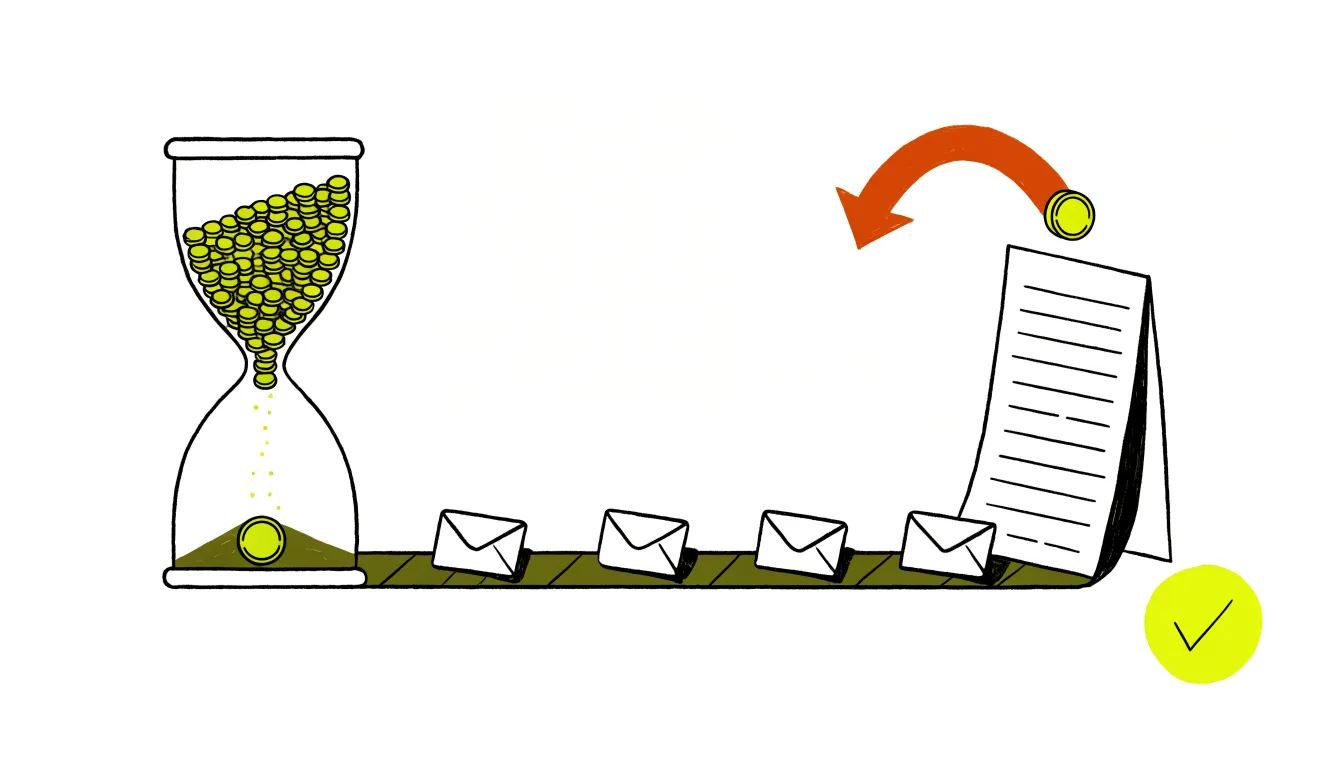
These reversals can trail the sale by weeks. In the US, Regulation Z gives a credit card holder 60 days after the card issuer sends the first statement that shows a billing error to send a written notice. So a purchase can reverse after the creator has cashed out and after your share has reached your bank account.
Record it against the open period
Log the reversal in the period you learn about it, and link it to the period of the original sale. Leave the closed period as it was billed. Melon's Invoices tab follows the same rule for its own records. Each row is a frozen statement for one billing period. If platform data is later corrected or backfilled, the issued invoice stands and the difference lands in a later period.
For each fan reversal, record these details:
- The creator, the platform and the split it belongs to.
- The date of the sale and the date the platform took the deduction.
- The amount taken from the creator's earnings.
- Your percentage and the share you collected on that amount.
- The period you billed it in and the period that carries the adjustment.
- How you settled it, and on what date.
Decide whether your share follows the loss
Your split agreement decides whether your share follows the creator's loss. If it says nothing, pick one rule and apply it across the roster:
- Adjust it. Take your share of the reversed amount off what the creator owes next period, and show it as its own line.
- Keep it. Your share stands and the creator carries the full loss. Put that in writing so the first chargeback does not start an argument.
- Adjust within a window. Adjust reversals that post within a set number of days of the sale, and treat older sales as final for your share.
Settle it in the open period rather than refunding a past payment. Melon's terms of service direct requests to cancel or refund a share payment to support@getmelon.io and say a refund cannot be guaranteed.
Shares you pay out of that creator's revenue need the same rule. Our guide to setting up a creator agency referral split lists a corrections term to agree with each partner for this case.
Cut your exposure to fan reversals
- Know where a reversal lands on each basis. On a cash-out split, your share follows what the creator withdraws, so a deduction that posts before a withdrawal shrinks the base before the charge. On an earnings split, the balance grows daily from net platform revenue, so a sale can be billed before its reversal posts.
- Count reversals per creator each month. A rising count is a reason to review how that creator's content is priced and described.
- Keep part of each weekly payout in reserve, and size it from your own reversal history.
When a creator disputes your charge with their bank
Here the earnings did not change. The creator asked their bank to undo the charge that collected your share. In Melon, the disputed amount is pulled back from the agency, and the creator's bank decides who keeps it. Both sides get a notice when the dispute opens and again when it closes. If your balance cannot cover the amount, the shortfall is carried and recovered from later payouts.
The bank, not Melon, makes the call, and that can take weeks. Plan your cash as if the full amount is gone until then.
Log the dispute and pull the record
Log the date the dispute opened, the charge, the amount and the period it collected for. Then gather the record that explains the charge:
- The signed agreement that sets the split percentage.
- The billing record for that period. On an earnings split, the Invoices tab shows what was billed at the time, not what the numbers look like today.
- For a cash-out split, the cash-out the charge followed. The Cashouts tab records every cash-out Melon detected and what it did with each one.
- Messages where the creator agreed to the schedule or the amount.
Talk to the creator the same day
Melon's guidance is that most disputes are recognition problems, not disagreements. Ask the creator what they saw on their statement and walk them through the charge. Our guide to how creator agencies get paid covers how to prevent disputes before the first charge.
Collect after the bank decides
If the bank rules for you, the amount returns to your balance and both sides are notified. If it rules for the creator, the reversal stands. The split balance then shows the money was not collected, so it remains owed under the split agreement.
Agree with the creator, in writing, how and when they will pay that balance. Do not keep charging an account whose owner is disputing you.
When an ACH charge comes back
An ACH return is the creator's bank sending the debit back. Melon handles a return coded as unauthorized (R10 or R11) as a failed payment, not a dispute. It follows the insufficient-funds path. Nothing is written off, and the balance stays owed until it is settled.
These returns can arrive long after the charge cleared. Nacha's rules let a bank return an unauthorized debit from a consumer account for 60 calendar days after settlement. Your agency has received several weekly payouts by then.
Read the return code before the next charge
The code tells you what went wrong. Nacha defines the two codes this way:
- R10 means the account holder told their bank they do not know the sender or never authorized it to debit the account.
- R11 means the account holder authorized the debit but says it broke the terms, for example the wrong amount or an earlier date than agreed.
An R11 points to a billing error. Check the amount and the charge date against the agreement and fix them. An R10 points to an authorization problem. Confirm the creator still recognizes the agreement and the connected account before you collect again. In both cases, log the return date, the code, the charge it reversed and the period it covered.
Write the reversal rule into the split agreement
Settle the rule before the first charge. Melon automates payment activity based on the terms the agency and creator already agreed to, so the terms have to cover reversals. Add these lines to every split agreement:
- Name the reversals the rule covers, such as fan refunds, fan chargebacks and platform corrections.
- Say whether your share follows a fan reversal, and how you adjust it.
- Name the period that carries each adjustment, such as the period the deduction posts.
- Set the window after which a sale is final for your share.
- Ask the creator to raise a question about a charge with you before going to their bank.
- State that a valid charge reversed through a bank dispute stays owed.
- Say whether reversals reduce what you pay referral partners, account managers or chat teams.
Where Melon fits
Melon for agencies keeps each creator relationship in one record. Open any creator to see the agreement, connected revenue source, amount owed, invoice history, cash-outs, payments and notification settings. Agency payouts are grouped on a weekly schedule after funds have cleared, and pending activity stays visible in the dashboard.
For reversals, three parts do most of the work: the frozen Invoices tab, dispute notices that reach both sides and the weekly transaction reports. Each report lists charges attempted and their outcomes, amounts collected per split, what went into that week's payout and balances carried forward. Payouts, transactions and deposits export separately for your own reconciliation.
See how Melon works for agencies
Frequently asked questions
What is a chargeback, and who pays for it?
A chargeback is a fan asking their card issuer to reverse a purchase. The platform's terms decide who carries it. OnlyFans' terms of service, for example, allow OnlyFans to deduct an amount equal to the creator earnings portion of a successful refund or chargeback. Your split agreement decides whether the agency's share moves with that loss.
How long do you have to dispute a credit card charge?
In the US, Regulation Z gives a credit card holder 60 days after the card issuer sends the first statement that shows a billing error to send a written notice. So a fan purchase can reverse after the creator has cashed out.
Does Melon replace the business agreement?
No. Melon automates payment activity based on the terms the agency and creator already agreed to.